When the Sun Sets, Madikwe Comes Alive
Madikwe Game Reserve is home to an extraordinary variety of wildlife, many of which become active after sunset. On an evening game drive, the changing light reveals a different side of the bush: small-spotted genets moving through the trees, springhares bounding across open ground and, with exceptional luck, elusive aardvarks or pangolins. It is a chance to discover the quieter secrets of the African night.
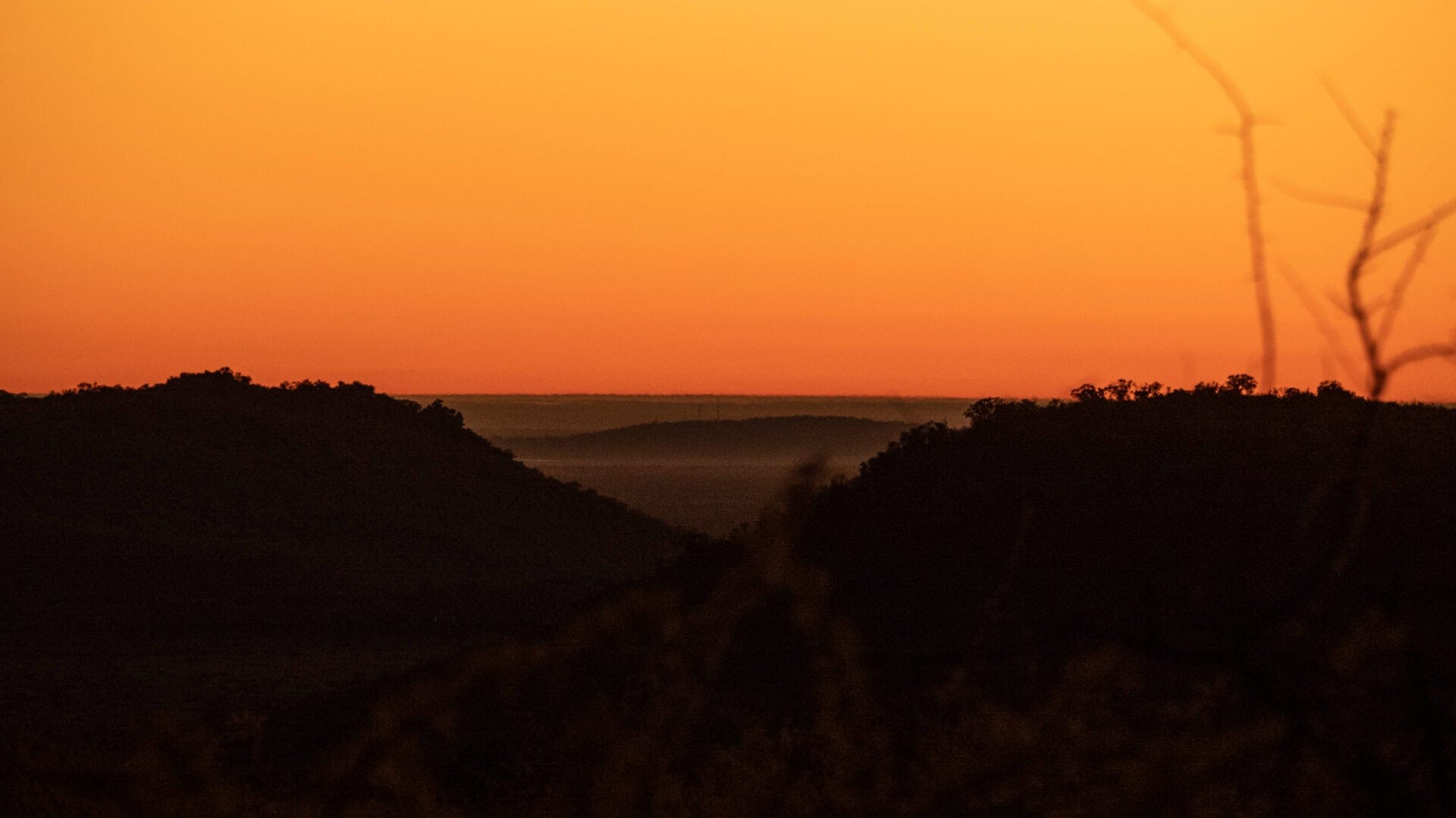
A safari is often imagined in the golden light of early morning, with elephants crossing the road and predators resting after a night of hunting. But as the sun slips below the horizon, the bushveld begins to change.
Temperatures cool, daytime activity slows and many animals emerge from their hiding places to forage, hunt or move through the reserve. Madikwe’s evening drives offer guests the opportunity to look beyond the wildlife that is most easily spotted during the day. Calls carry through the darkness, movement catches the guide’s attention and a spotlight can reveal an animal that might otherwise pass unseen.
The secret is to slow down, listen and let your guide interpret the small details.
The Nocturnal Wildlife of Madikwe
Madikwe is home to an impressive range of nocturnal and after-dark wildlife, from small mammals and predators to owls, nightjars and reptiles. Sightings are never guaranteed, and some species are far more elusive than others. That unpredictability is part of the appeal.
Small-spotted Genet: A Graceful Night Visitor
The small-spotted genet is one of the striking little carnivores guests may encounter after dark. Its spotted coat, pointed face and long, ringed tail make it instantly recognisable when it appears in the light.
Genets are agile, largely nocturnal mammals. They hunt and forage for a varied diet that can include insects, rodents, birds and other small animals. They may move along the ground or climb with impressive ease, slipping quietly through the bush in search of food.
A genet can appear for only a few moments before disappearing into the vegetation. Those brief encounters are a lovely reminder that some of Madikwe’s most interesting wildlife is much smaller than the animals that usually make the safari headlines.
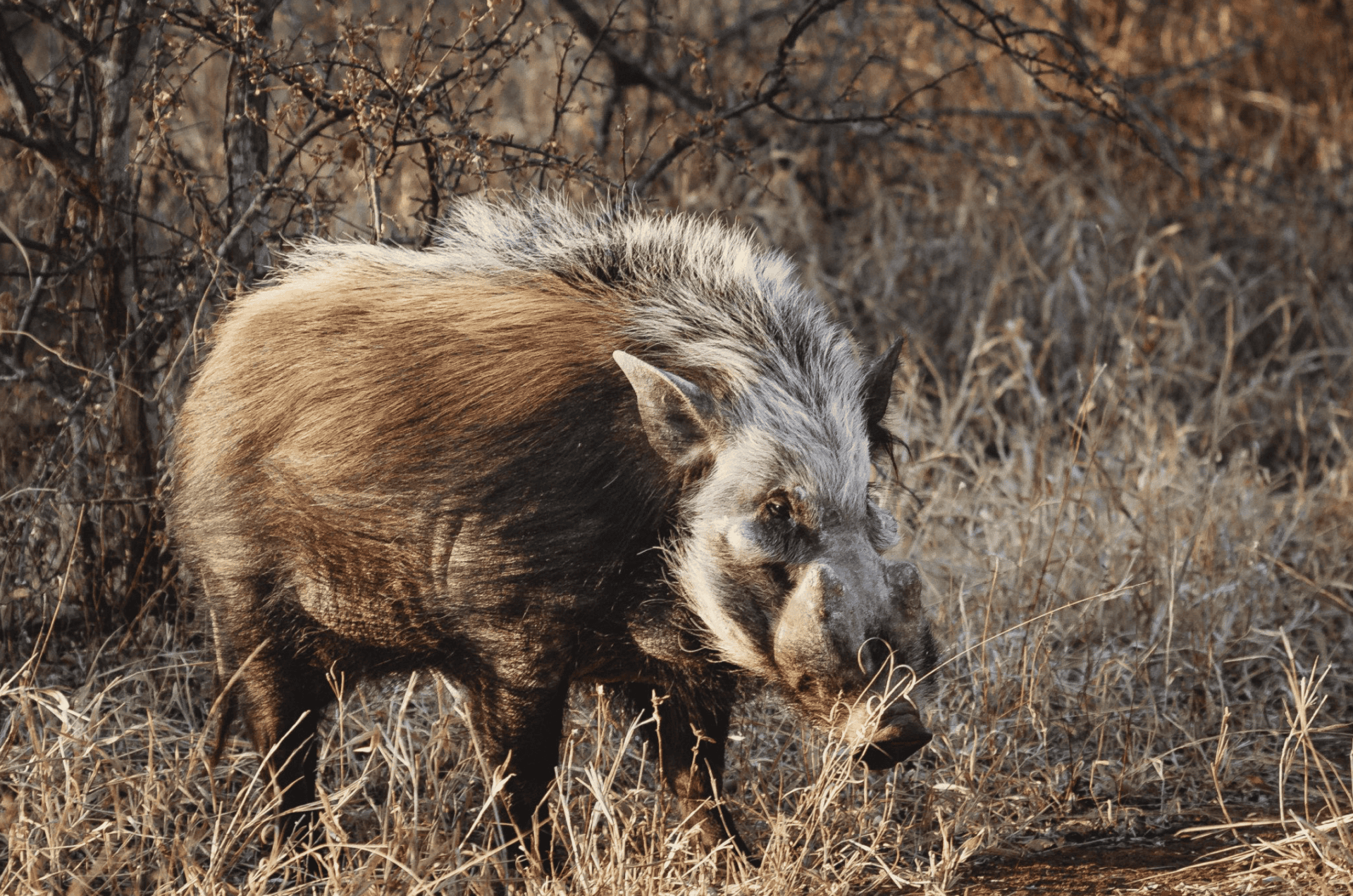
Bushpigs: A Special Encounter in the Bush
The bushpig is a shy, secretive mammal and a particularly memorable sighting. Rockfig’s guide KG describes having encountered bushpigs just twice during his guiding career, two special moments that stayed with him.
Bushpigs are mainly nocturnal, often becoming active at night and in the early hours of the morning. They generally avoid people and can disappear quickly into thick vegetation, making a sighting during a game drive a real privilege.
They are omnivores, using their strong snouts to forage for roots, rhizomes, bulbs, insects and other available food sources.
As KG’s experience shows, even a guide with years in the bush can be surprised by an animal that appears only briefly. The rarest and most memorable moments are not always encounters with the Big Five; sometimes they are glimpses of creatures quietly going about their lives beyond the spotlight.
Aardvarks: Built for Life After Dark
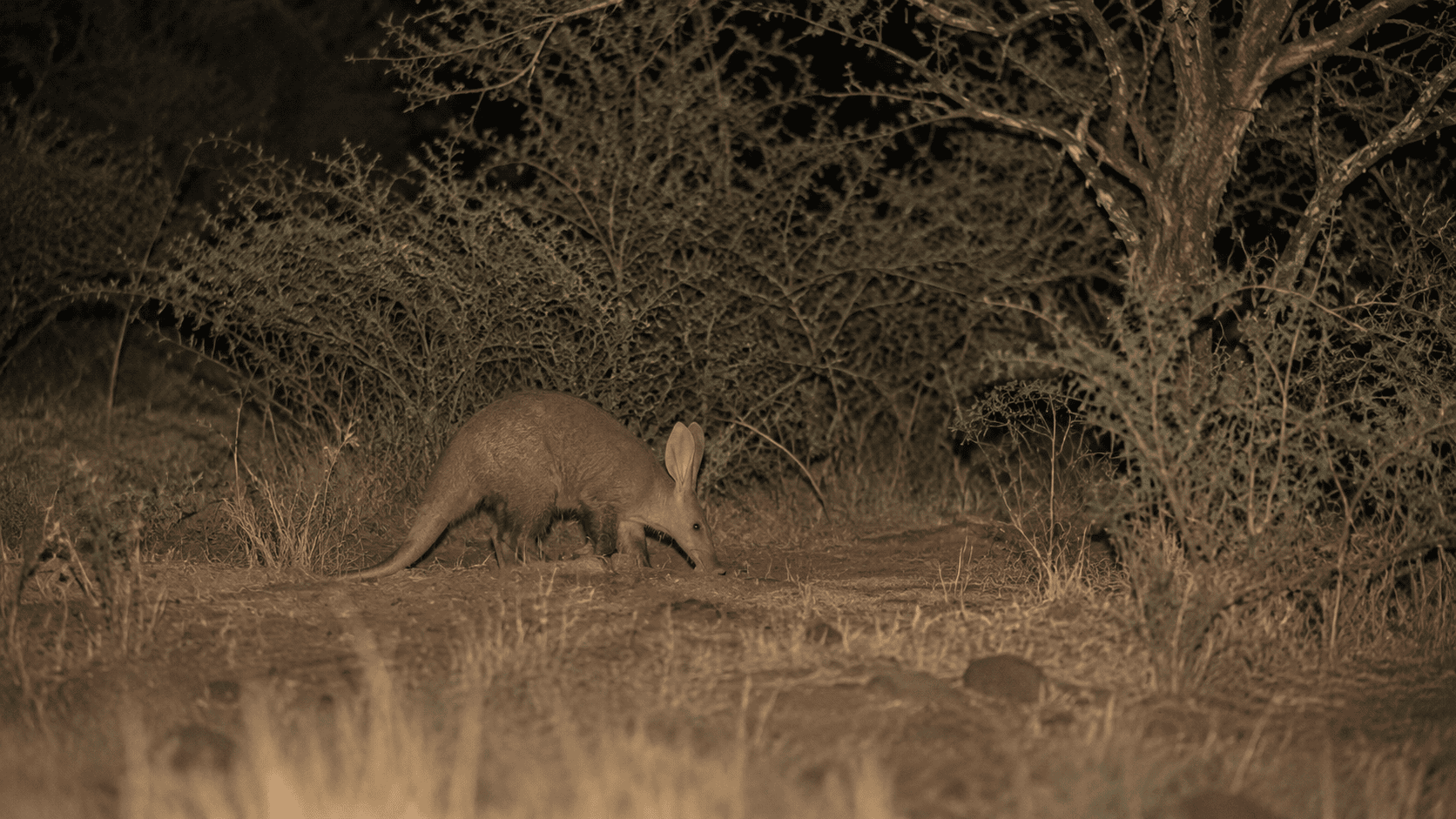
With its long snout, large ears and powerful claws, the aardvark is one of Africa’s most unusual mammals. It is primarily nocturnal, leaving its burrow after sunset to search for ants and termites.
Its strong forelimbs and claws help it break into insect nests, while a long, sticky tongue gathers its prey. Aardvarks are generally solitary and can cover considerable ground while foraging.
They are not easy to find. An aardvark sighting is a special moment, and one that often depends on patience, timing and a guide’s knowledge of the area.
Pangolins: Among the Most Elusive Animals
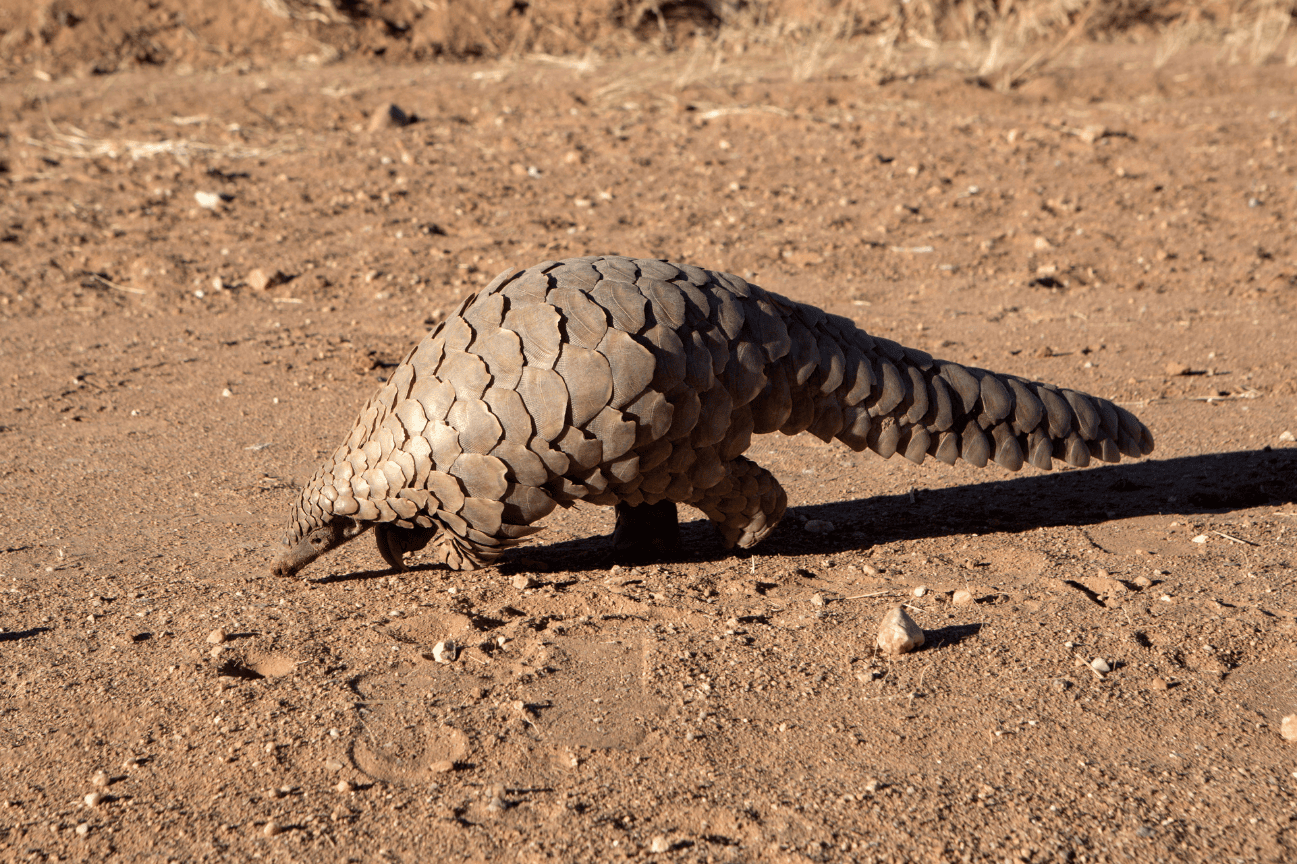
Temminck’s ground pangolin is one of the most extraordinary mammals found in southern Africa. Its body is covered in overlapping keratin scales, and when threatened it curls into a tight ball to protect its softer underside.
Pangolins are solitary, mostly nocturnal animals that feed mainly on ants and termites. Their powerful claws open insect nests, while their long, sticky tongues collect the insects.
Pangolins are heavily threatened by illegal wildlife trafficking, making conservation awareness especially important. They are exceptionally elusive, so guests should never expect a sighting. The possibility of sharing the reserve with such a remarkable animal is special in itself.
Other Creatures to Look Out for
The nocturnal world of Madikwe extends well beyond these better-known mammals. Depending on conditions and luck, an evening drive may reveal:
- White-tailed mongooses: Nocturnal mammals that forage for insects and small animals.
- Springhares: Remarkable nocturnal rodents that move across open ground using powerful hind legs.
- Aardwolves: Unusual members of the hyena family that specialise in feeding on termites.
- Porcupines: Large rodents with distinctive quills, generally active after dark.
- African civets: Solitary, nocturnal mammals with striking spotted and striped markings.
- African wildcats: Elusive small felines that are beautifully adapted to life in the wild.
- Brown and spotted hyenas: Fascinating predators and scavengers that may be active after dark.
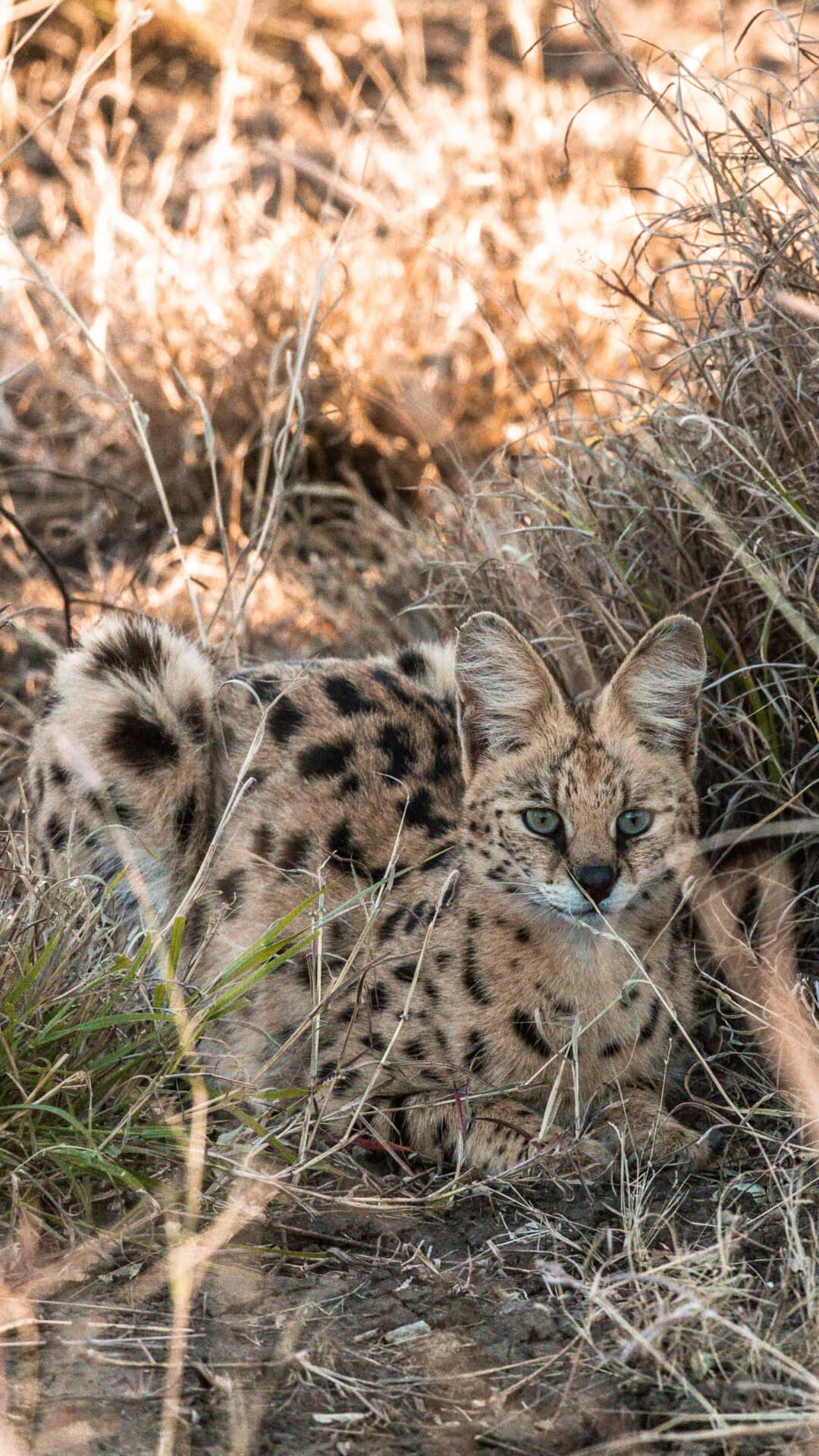
- Caracals, servals and black-backed jackals: Predators that may be encountered during periods of low light.
Look upwards, too. Madikwe’s nocturnal birdlife includes Verreaux’s eagle-owl, spotted eagle-owl, African scops-owl and southern white-faced owl. Nightjars are another fascinating part of the evening bushveld, often heard before they are seen.
Chameleons, geckos, frogs and toads add another dimension to the experience, particularly during warmer, wetter conditions.
Some species are naturally scarce or difficult to observe. Even experienced guides may go years without encountering particular animals. That is part of what makes every outing unique.
What to Expect on an Evening Game Drive
An evening drive is not simply a daytime safari that happens to finish after sunset. It allows our guests to experience the bush differently.
As daylight fades, your guide looks and listens for movement, calls and other signs of wildlife. Once it is dark, a spotlight can help reveal animals in the surrounding vegetation. Recognising glowing eyes, understanding behaviour and identifying an animal in a brief glimpse all take experience.
Spotlighting should always be done responsibly, with care taken not to disturb animals unnecessarily. Guests can help by keeping voices low, listening to their guide and allowing time for their eyes and ears to adjust to the darkness.
For photographers, low-light conditions can be challenging. A camera that performs well in low light, a steady hand and patience can help, but flash should be avoided where it may disturb wildlife. Sometimes the best approach is to put the camera down and enjoy the encounter.
When Is the Best Time to Visit Madikwe?
Madikwe offers rewarding safari experiences throughout the year, and each season brings different conditions.
The dry winter months, generally from May to September, often provide excellent general wildlife viewing. Vegetation is thinner and animals gather around reliable water sources. Evenings can be cold, however, so warm layers are important.
The warmer summer months, from October to April, bring seasonal rainfall and greener landscapes. The bush becomes lush, and the sounds and activity of the natural environment change with the season.
There is no single best month for seeing nocturnal animals. Wildlife movements, weather and individual animal behaviour all influence what guests may encounter. The best approach is to enjoy the experience rather than set expectations around a particular sighting.
Frequently Asked Questions
Are pangolins rare in Madikwe?
Temminck’s ground pangolins are among the reserve’s most elusive animals. They are solitary and predominantly nocturnal, so sightings are uncommon and never guaranteed.
What equipment do guides use on night drives?
Guides use spotlights to help locate animals after dark. Their experience in spotting glowing eyes, movement, calls and animal behaviour is just as important as the equipment itself. Spotlighting should always be carried out responsibly.
How can I increase my chances of seeing nocturnal animals?
Be patient, keep noise to a minimum and listen to your guide. Look beyond the larger animals and stay curious about calls, movement and the smaller details of the bush. Sightings can never be guaranteed, but attentiveness makes the experience richer.
What is the best time of year for evening game drives in Madikwe?
Evening drives can be enjoyed throughout the year. Winter generally brings drier conditions and thinner vegetation, while summer offers warmer evenings and a greener landscape. Each season has its own character.
How do evening game drives differ from daytime safaris?
Daytime drives are often focused on animals active in daylight, while evening drives offer the chance to look for nocturnals species. The sounds, atmosphere and methods of finding wildlife change as darkness falls.
Discover a Different Side of Madikwe at Rockfig
A safari does not end when the sun disappears. The African bush has another story to tell after dark, from the quiet movement of a genet to the distant call of an owl.
At Rockfig Madikwe, guests stay in one of just four private villas, with a maximum of 14 guests at the lodge. This intimate setting offers a personal way to experience the reserve, guided by people who know its wildlife and landscapes.
Whether you are hoping to spot an elusive nocturnal mammal or simply want to hear the bush settle into evening, every drive brings the possibility of something unexpected.
Discover the wilderness of Madikwe at Rockfig Madikwe, or contact our team to start planning your safari.