A luxury safari can support anti-poaching efforts through thoughtful choices before, during and after your journey. Paying conservation levies and park fees, choosing a lodge with a genuine conservation commitment, donating to verified conservation trusts and sharing wildlife responsibly without revealing sensitive locations can all contribute to protecting wild places. Ethical travel begins with understanding how your presence, and your spending, can make a positive difference.
There is something deeply humbling about watching a wild animal move through its natural environment. An elephant disappearing into the bush, a leopard melting into long grass or a rhino standing quietly beneath the African sky can remind us just how much is at stake.
Behind every thriving reserve is a network of conservation management, wildlife monitoring, habitat protection, community engagement and anti-poaching work.
As a safari guest, you may not be on the frontline, but your choices can still play a meaningful role in ethical safari anti-poaching support.
1. Understand What Your Safari Fees Support
When researching the cost of a safari, you may come across the term luxury safari conservation levy. Conservation levies and park fees form part of the broader funding ecosystem that helps protected areas operate.
In reserves such as Madikwe, tourism contributes to the economic value of conserving wildlife and wild landscapes. Safari conservation fees form part of the broader financial support required to manage and protect these spaces, alongside other funding sources.
The exact allocation of levies and fees can vary, so responsible travellers should feel comfortable asking questions before booking.
Consider asking your lodge or safari operator:
- What conservation levies and park fees apply to my stay?
- Who collects these fees?
- How are they managed or allocated?
- Does the lodge support any additional conservation or community initiatives?
Conservation is rarely funded by one source alone. Tourism income, park fees, donations and partnerships can all play a role in protecting wildlife and the landscapes they depend on.
This is one of the reasons Madikwe Game Reserve conservation and responsible tourism are so closely connected: a thriving safari economy can help demonstrate the long-term value of keeping wild landscapes protected.
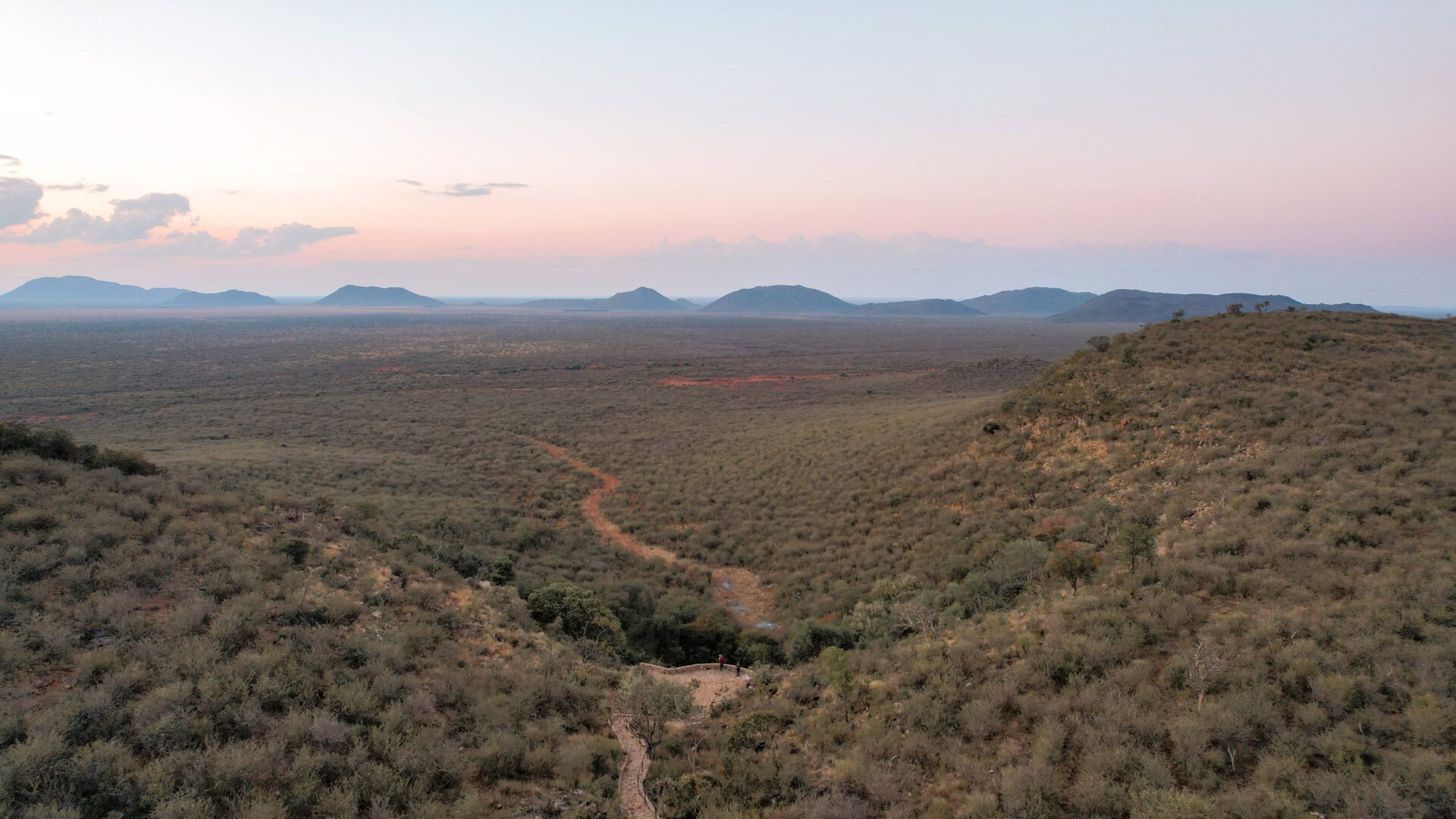
Ways to Support Anti-Poaching: What Each Action Funds and How to Verify It
| Support Action | What It Directly Funds | How to Verify Legitimacy |
|---|---|---|
| Paying conservation levies and park fees at your lodge | Reserve management and conservation operations, which may include wildlife monitoring, field operations and habitat management | Ask the lodge or reserve authority how applicable fees are administered |
| Donating to a verified local reserve trust | Depending on the organisation, donations may support ranger training, equipment, wildlife monitoring, research or community programmes | Look for registered organisations, transparent reporting and clearly defined projects |
| Removing geotags and location data from wildlife posts | Helps reduce the unnecessary sharing of sensitive wildlife locations | Check your location settings and remove precise locations before posting |
| Choosing a low-impact, small-footprint luxury lodge | Supports responsible tourism operations with limited guest numbers and a potentially lower concentration of disturbance in the surrounding environment | Ask about guest numbers, environmental policies and conservation partnerships |
| Participating in a genuine conservation experience | May contribute to wildlife monitoring, research or conservation programmes | Ask what the activity contributes to and who leads it |
2. Donate to a Verified Local Conservation Trust
For travellers who want to contribute beyond the cost of their safari, donating to a conservation organisation can be a meaningful option.
If you choose to support a local reserve trust, good intentions should be accompanied by a little research.
Before donating, look for:
- Clear information about projects and their purpose
- Evidence of work being carried out
- Transparent leadership and governance
- Financial reporting where applicable
- Appropriate legal or charitable registration
- Established conservation partnerships
Effective anti-poaching initiatives on safari are also about more than patrols and equipment. Long-term wildlife protection can include ranger training, wildlife monitoring, technology, research, community engagement and sustainable economic opportunities.
At Rockfig Madikwe, we proudly support the Endangered Wildlife Trust (EWT), whose work strengthens wildlife protection across the reserve. From supporting anti-poaching canine teams and night-time patrols to advancing technology used to detect and deter wildlife crime, EWT plays an important role in safeguarding Madikwe’s wildlife. For our guests, choosing to stay with us is one small way of contributing to a wider conservation effort that helps protect these wild spaces for generations to come.
3. Think Before You Geotag Wildlife
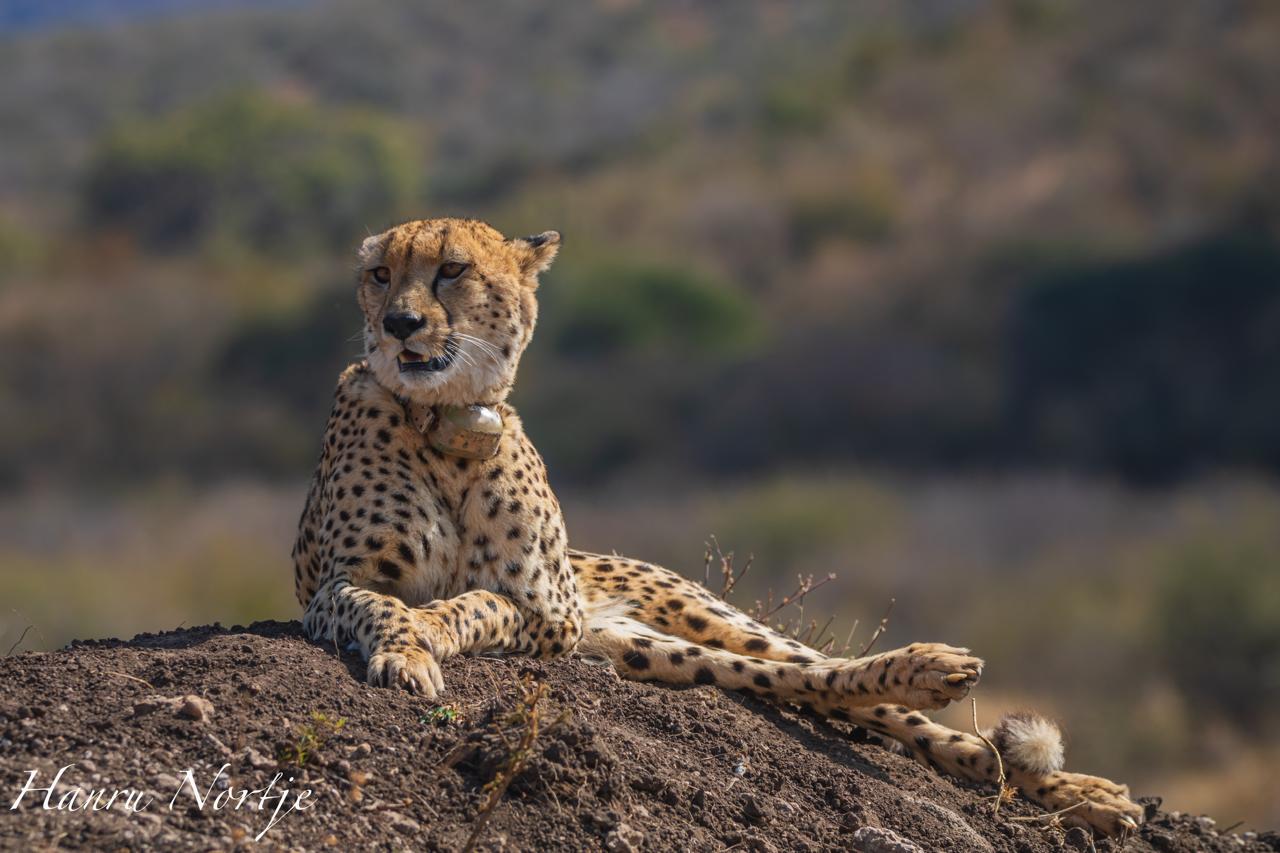
One of the simplest ways to support wildlife protection costs absolutely nothing: avoid sharing the precise location of vulnerable wildlife in real time.
Social media allows us to share remarkable sightings within seconds, but location-sharing can create unnecessary risks when sensitive information falls into the wrong hands.
Rhino are an obvious example. For species targeted by poachers, even seemingly harmless information can potentially help build a picture of where animals are found and when they are likely to be in a particular area.
The risk is not limited to an Instagram geotag.
A photograph or post can reveal information through:
- Precise location tags
- GPS data or other metadata attached to an image
- Real-time captions
- Recognisable landmarks
- Details about the timing of a sighting
- Public conversations about where an animal was seen
Researchers have examined how geotagged social-media posts and other publicly available information could reveal the occurrence of valuable wildlife species in protected areas. In South Africa, concerns around rhino sightings have been particularly well documented, with conservation authorities recognising the importance of not publicly disclosing sensitive locations.
This does not mean every wildlife photograph automatically puts an animal at risk. But wildlife geotagging risks are serious enough that responsible travellers should develop a cautious approach to sharing sensitive sightings.
A good rule is simple: share the experience, not the exact location.
Post sensitive sightings after you have left the area. Remove precise geotags and avoid detailed descriptions of where an animal was seen. If you are unsure, ask your guide before posting.
For photographers, this is an important part of ethical wildlife photography on safari. A remarkable photograph should never come at the expense of an animal’s safety.
4. Choose a Genuinely Low-Impact Lodge
Luxury and sustainability are not opposites.
A thoughtfully designed safari can offer privacy and comfort while recognising that the surrounding environment is not simply a backdrop.
When researching Madikwe Game Reserve lodges, look beyond words such as “eco-friendly” and “sustainable”. Ask practical questions instead.
Consider:
- How many guests does the lodge accommodate?
- How does it manage water and energy use?
- What happens to waste?
- How does it minimise disturbance to wildlife?
- Does it support local employment and communities?
- Does it partner with verified conservation initiatives?
A smaller lodge with limited guest numbers can offer a more intimate safari experience while avoiding the concentrated pressure that can come with large-scale tourism. It can also allow a lodge to focus its resources and conservation partnerships around a smaller, more carefully managed operation.
That does not mean small automatically equals sustainable. Genuine low-impact luxury safari operations should demonstrate practical environmental and conservation commitments rather than relying on marketing language alone.
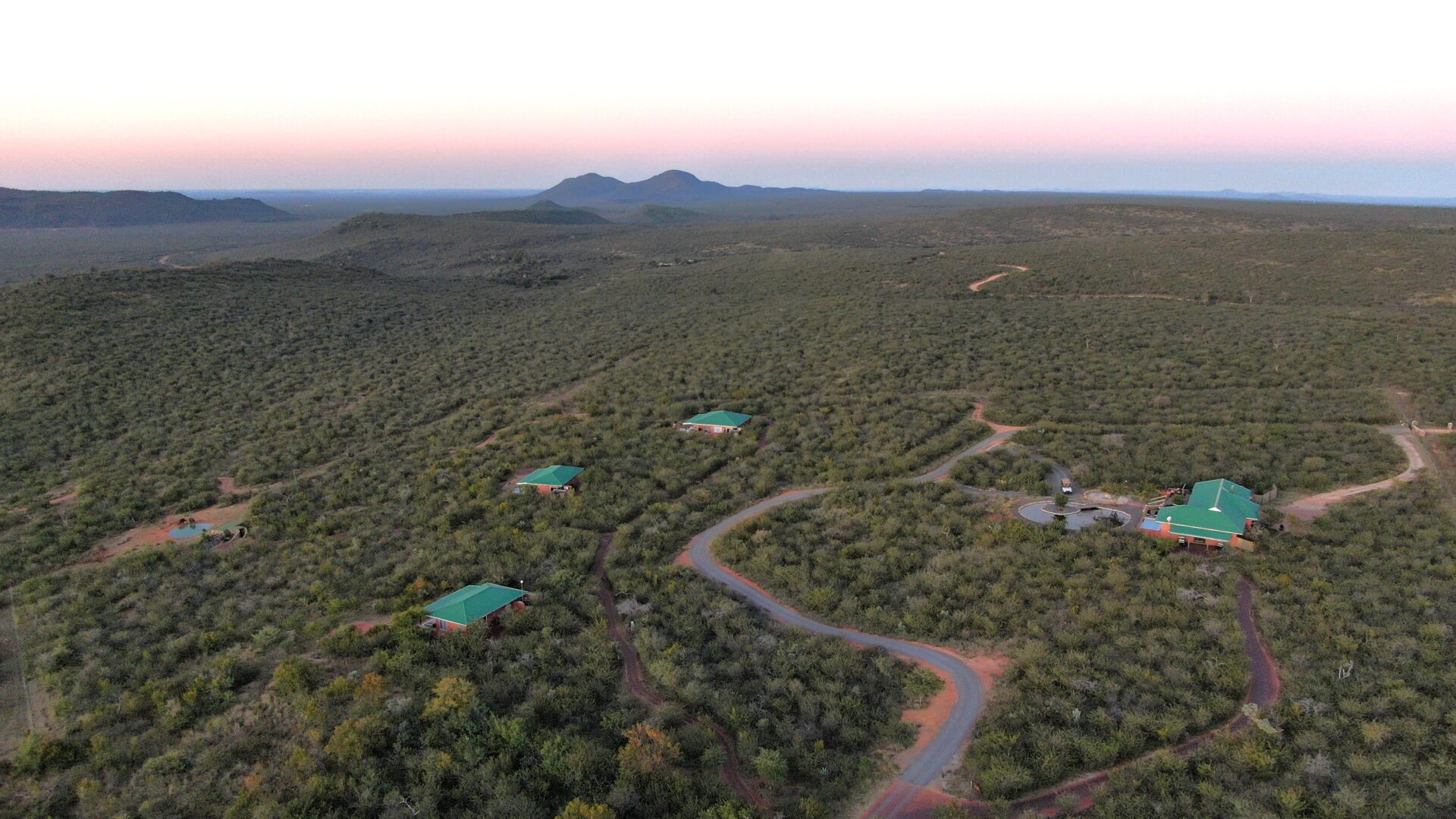
At Rockfig Lodge Madikwe, the intimate nature of the lodge means that the safari experience is centred around a limited number of guests rather than large-scale tourism. The focus is on experiencing Madikwe with respect for its wildlife, landscapes and people.
5. Choose Conservation Experiences with Substance
Conservation experiences can give guests a valuable insight into the work happening behind the scenes. However, travellers should be cautious of activities designed primarily for a dramatic photograph rather than genuine conservation value.
Before booking, ask:
- Who runs the experience?
- What work does it support?
- Is there a genuine scientific or operational purpose?
- Are qualified professionals involved?
- How is wildlife welfare protected?
A meaningful conservation experience should educate guests without turning animals into entertainment.
The most valuable moments may be listening to a guide explain how wildlife is monitored, learning about the challenges faced by rangers or understanding how a reserve balances tourism with conservation.
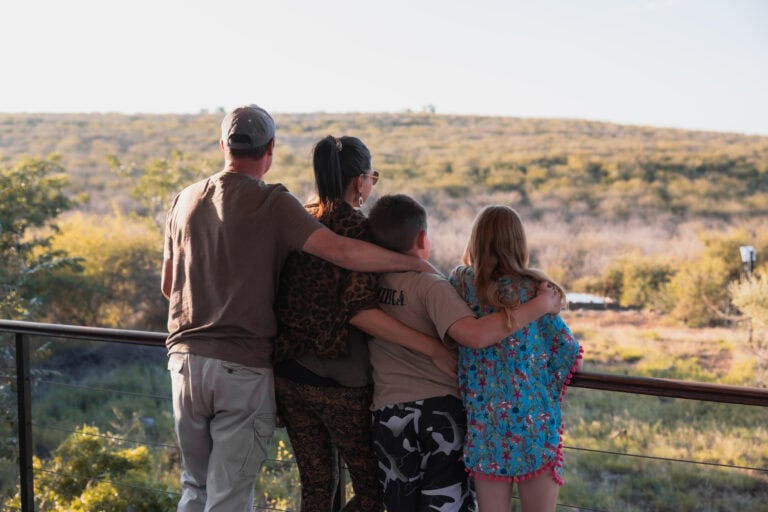
For families, these conversations can be especially powerful. A safari is an opportunity to teach children that wildlife is not part of a theme park. Animals are given space, guides follow rules for a reason and conservation requires respect.
6. Follow Your Guide’s Lead
Your guide is there to help you experience the reserve responsibly as well as safely.
Wild animals should never be pressured into providing a better photograph.
Respect:
- Safe distances
- Your guide’s instructions
- Reserve rules
- Time limits at sightings where applicable
- Rules around off-road driving
- Quiet around sensitive animals
Do not encourage a guide to get closer when they have indicated it is inappropriate. Do not feed wildlife, approach animals independently or leave litter behind.
On an ethical safari, wildlife is not there for us.
We are visitors in its home.
7. Conservation and Communities Are Connected
Long-term wildlife protection depends on more than enforcement.
Responsible wildlife tourism in South Africa can contribute to employment, skills development, local businesses and economic opportunities connected to conservation. When tourism creates meaningful value, protecting wildlife and wild landscapes can become part of a wider, sustainable economy.
As a traveller, look for operators that employ locally, invest in training and build genuine relationships with surrounding communities.
Ask questions about the people behind your safari and the opportunities tourism creates beyond the lodge itself.
A luxury safari may feel deeply personal, but it is made possible by an entire network of people working behind the scenes.
Small Choices Can Have a Meaningful Impact
The ethics of safari travel can sometimes feel complicated. Travel has an environmental footprint, and tourism must be managed carefully to protect wildlife welfare.
But responsible tourism can also help create economic reasons to protect landscapes from other pressures, including habitat loss and unsustainable land use.
The important question is not simply, “Am I going on safari?”
It is also, “What kind of tourism am I supporting?”
Choose carefully. Ask questions. Respect wildlife. Support verified organisations. Be mindful about what you share online.
Ethical travel is not about being perfect. It is about being more aware of the impact our choices can have.
The greatest luxury of a safari is not simply seeing something rare. It is knowing that wild places still exist for animals to live freely within them.
Through thoughtful travel and responsible choices, we can all play a small part in helping to protect them.
Frequently Asked Questions
What are conservation levies and park fees, and where does the money go on a Madikwe safari?
Conservation levies and park fees are additional charges associated with visiting protected areas. They form part of the broader funding required to manage and protect these spaces. The exact amount, collection process and allocation can change, so guests should ask their lodge or the relevant reserve authority for current information.
Why is geotagging wildlife photos on social media dangerous for vulnerable species?
Precise location information can reveal where vulnerable animals were seen and when they were in a particular area. Geotags, image metadata, real-time captions and identifiable landmarks can all provide information that may be misused. It is safer to avoid sharing exact locations and to post sensitive sightings after leaving the area.
How can I verify that a reserve trust or conservation fund is legitimate before donating?
Research the organisation independently. Look for clear project information, transparent governance, appropriate registration, financial reporting where available and evidence of established conservation work.
What makes a luxury safari lodge genuinely low-impact rather than just marketing itself as eco-friendly?
Look for practical policies rather than broad claims. Ask about guest numbers, water and energy management, waste reduction, wildlife disturbance, conservation partnerships and community involvement.
What are the ethical considerations of safaris, and how do guest choices affect wildlife welfare?
Ethical safaris prioritise wildlife welfare over entertainment. Guests should respect guides and reserve rules, avoid pressuring animals for photographs, keep appropriate distances and choose operators with responsible environmental and conservation practices.
How can tourism help protect the environment and wildlife of a country like South Africa?
Responsible tourism can create economic value around protecting natural landscapes and wildlife. Tourism can support employment, businesses and conservation operations, while giving travellers an opportunity to contribute through thoughtful choices and verified initiatives.
To note:
Travel insurance is strictly compulsory for all guests, covering trip cancellation, personal effects, personal accidents, medical coverage, and emergency travel/evacuation expenses.
All quoted accommodation rates exclude Conservation Levies and Park Fees. These will be quoted as an additional amount and are subject to change without notice.
Standard rates do not include childcare. Any required childminding services are generally subject to an additional cost.